The Local Powerhouse: How Data Centers Fund Communities and Create High-Wage Careers
If you look at a hyperscale data center from the outside, it is easy to misjudge it. Critics see a massive, silent concrete building and assume it takes resources from the grid while offering very little back to the neighborhood.
But a massive wave of macroeconomic data tells a completely different story.
According to a landmark PwC study analyzing the industry’s footprint, the U.S. data center sector actively supports over 5.5 million jobs and drives $926.9 billion in annual GDP. When a hyperscale data center chooses a location, it functions as an economic anchor for the entire municipality. Here is exactly how that investment translates to local benefits.
- The Construction Surge & High-Wage Careers
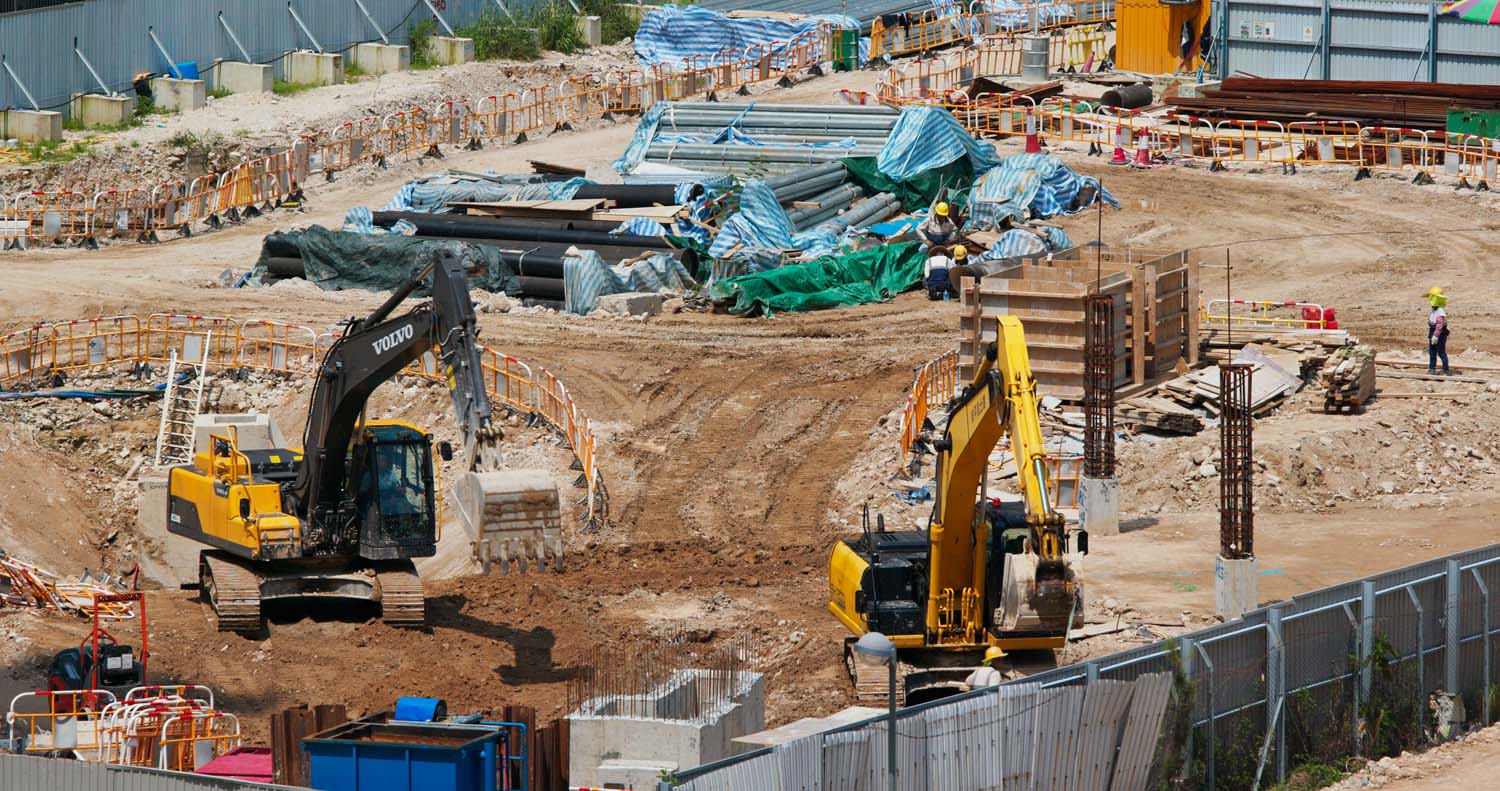
The idea that data centers don’t create jobs is a myth. U.S. data center construction spending has experienced an incredible surge—growing nearly 30% year-over-year to exceed $60 billion annually.
Building a single, 50-megawatt hyperscale facility requires massive, high-wage mobilization:
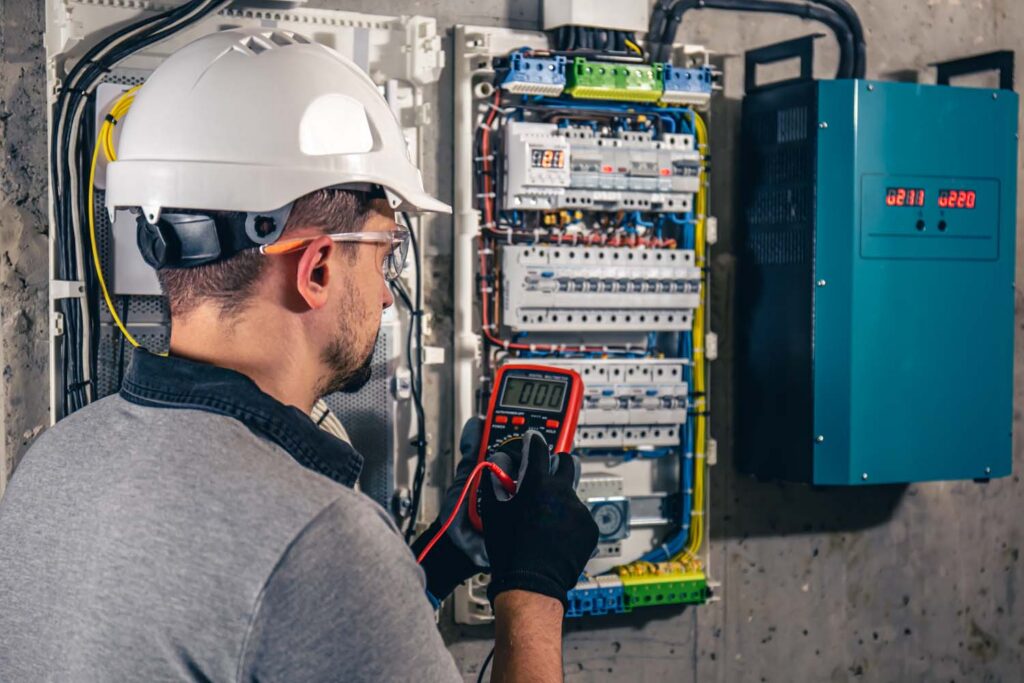
- Up to 1,500 specialized local tradespeople are required on-site during peak construction phases (including heavy equipment operators, high-voltage electricians, and structural engineers).
- These aren’t temporary entry-level gigs. The average infrastructure build cost is hitting $1,000 per square foot, creating a massive pipeline for high-paying local union and trade jobs.
- Once operational, data centers support a robust ecosystem. Every single direct job inside a data center generates a “multiplier effect,” supporting more than 6 additional jobs in the local community through local vendors, security, landscaping, and secondary service industries.
- Funding Public Infrastructure Without Crowding It
Data centers have a uniquely symbiotic relationship with local town budgets. Unlike a massive residential subdivision or a mega-mall, a data center places almost zero burden on public resources. They don’t clog up local traffic with thousands of commuting cars, and they don’t strain public school systems or emergency services.
Yet, they pour millions directly into local government coffers. The industry contributes $204.4 billion in annual government revenues across federal, state, and local levels. This massive influx of tax revenue funds the very public schools, parks, and emergency response teams that local residents rely on every day, keeping the tax burden off everyday homeowners.
- The Ratepayer Truth: Keeping Local Utility Bills Down
A common point of friction is the massive power draw of these facilities, with critics worrying they will drive up energy bills for regular families. However, a comprehensive multi-market study conducted by Energy and Environmental Economics (E3) looked at major data center hubs across Virginia, Texas, Georgia, and Arizona and found zero evidence that data centers shift costs onto residential utility customers.
In reality, the opposite happens. Because data center operators pull massive, steady, and predictable amounts of power, utilities can spread their fixed grid operational costs over a much larger revenue base. Even better, under modern large-load utility tariffs, data center operators are legally forced to pay for their own grid upgrades and high-voltage line connections out of pocket. This injects billions of private dollars into upgrading the public power grid, keeping residential utility rates more stable.
- Self-Sustaining Infrastructure: Becoming Their Own Utilities
Perhaps the most significant recent evolution in hyperscale design is the move toward total resource self-sufficiency. Because local electrical grids and municipal water supplies are tightly constrained, data center developers are no longer relying entirely on public infrastructure. Instead, they are building their own.
Rather than draining local resources, modern computing campuses are effectively operating as independent, highly efficient utility nodes:
- On-Site Microgrids: To bypass grid congestion and lengthy interconnection queues, operators are rapidly shifting to decentralized energy. Industry forecasts indicate that 27% of all data center sites will utilize on-site primary generation by 2030. From advanced microgrids combining solar and battery storage systems (BESS) to localized natural gas turbines, facilities generate much of their own continuous baseload power.
- On-Site Water Treatment & Recycling: Hyperscalers are pioneering closed-loop circular water systems to protect local drinking supplies. Instead of pulling from municipal taps, facilities increasingly utilize industrial-scale, on-site water treatment plants to process reclaimed municipal wastewater, brackish groundwater, or industrial runoff. Advanced closed-loop cooling loops recycle the exact same water millions of times over, resulting in near-zero net water consumption during standard operations. Furthermore, next-generation facilities are deploying heat-recovery systems that capture thermal waste to purify water on-site, turning data centers into net-positive water contributors.
The Cx Takeaway: Data centers aren’t just consumers of local infrastructure—they are the financial and technological engines that fund and upgrade it. Our commissioning teams are proud to step onto these self-sustaining job sites, knowing that the specialized engineering we validate directly drives high-wage career paths, grid resilience, and stronger communities.
Discover more from CriticalCxE
Subscribe to get the latest posts sent to your email.
Related Posts
Cx Explained
The New Geography