
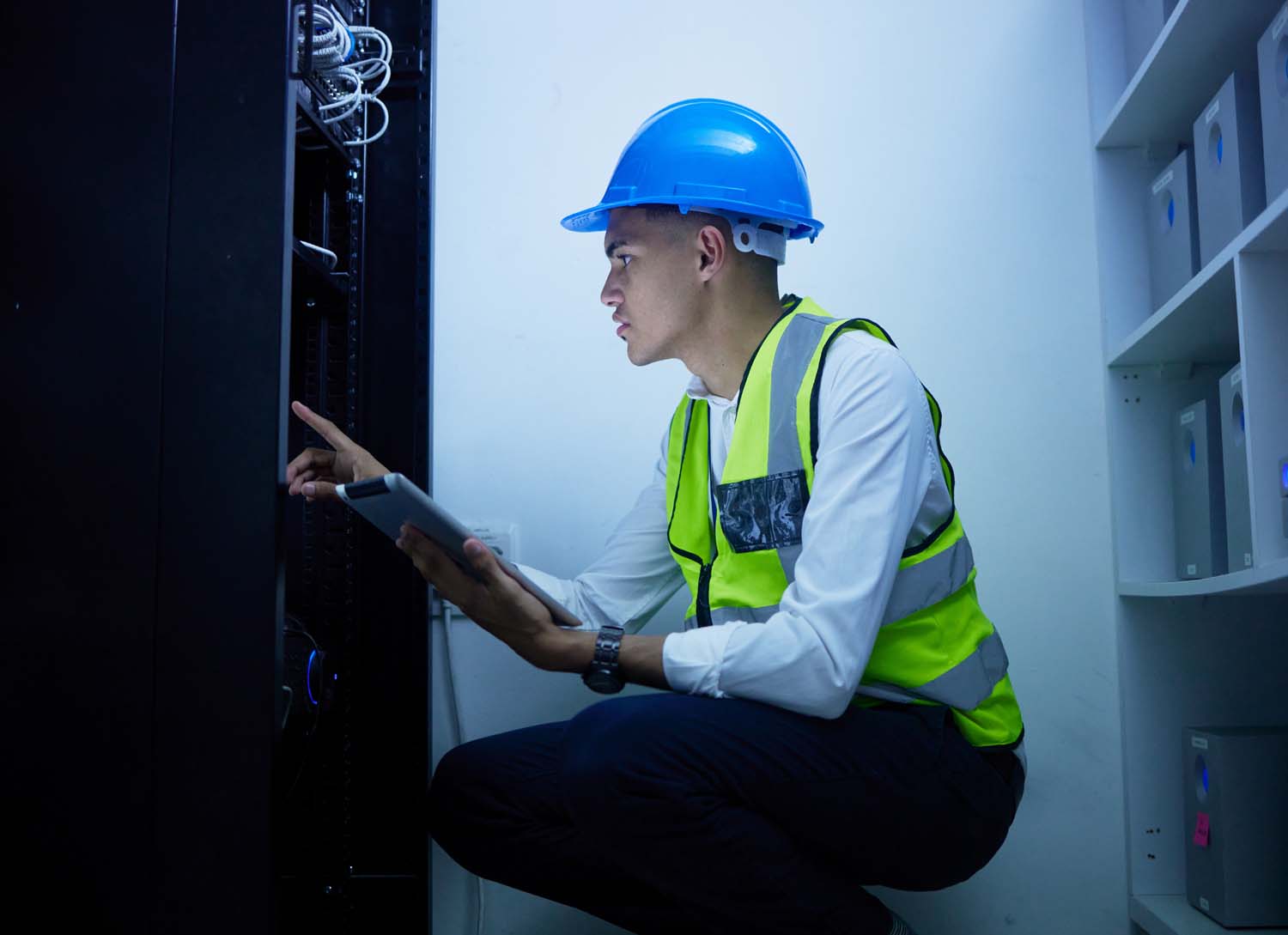
Before the Switch is Flipped: What Data Center Commissioning Actually Means
If you spend any time around the data center or tech infrastructure industries, you will hear the word commissioning—often shortened to Cx—thrown around constantly.
You’ll hear project managers say things like, “We are entering the Cx phase,” or “The facility can’t go live until Cx signs off.”
But if you aren’t an engineer, the term can sound incredibly vague. Is it an inspection? Is it a glorified safety test? Is it just a final administrative paper-signing ceremony?
Let’s pull back the curtain. Commissioning is none of those things. It is the most intense, high-stakes phase of a data center’s construction. Here is exactly what commissioning is, why it matters, and how it actually works.
The Best Way to Picture It: The Rocket Launch Analogy
To understand commissioning, forget about buildings for a second and think about a spaceship.
A massive manufacturing team can assemble a rocket perfectly. They can bolt down the thrusters, connect the fuel lines, and wire up the cockpit computers. But you would never put astronauts inside that rocket and blast off into space just because the assembly crew finished their work.
First, you bring in a highly specialized team of flight readiness experts. They run a battery of simulations. They deliberately trigger false engine readings to see if the backup computer takes over. They freeze the fuel lines to test the heaters. They push every single part of that rocket to its absolute breaking point while it’s still safely bolted to the launchpad.
That is commissioning.
A construction crew builds the data center. A commissioning team is the elite flight-readiness crew that stress-tests every electrical wire, cooling pipe, and backup generator before the multi-million-dollar computer servers are allowed inside.
The Five Levels of Commissioning (The Cx Journey)
Commissioning isn’t just a single event at the end of a project; it is a rigorous, five-step testing process that follows the equipment from the factory floor all the way to the live launch. In the industry, we break it down into five levels:
- Level 1: Factory Acceptance Testing (FAT) – We test the massive equipment (like a 3-megawatt generator or a giant chiller) right at the factory where it’s built to ensure it meets specifications before it’s even shipped to the construction site.
- Level 2: Component Delivery & Receipt – Once the gear arrives on-site, we inspect it meticulously to guarantee nothing was cracked, broken, or misaligned during transit.
- Level 3: Pre-Functional Testing (PFT) – The equipment is installed and hooked up. We run basic checks: Is it wired correctly? Are the valves opening the right way? Does it turn on?
- Level 4: Functional Performance Testing (FPT) – We start testing individual systems by themselves. We run a chiller through its paces or test a single backup battery string to see if it performs exactly like its engineering manual says it should.
- Level 5: Integrated Systems Testing (IST) – This is the ultimate final exam. We turn on the entire data center and fake a massive disaster. We use giant heaters (called load banks) to mimic the intense heat of thousands of AI servers, and then we suddenly cut the main power grid to the building. We watch to ensure that hundreds of complex systems synchronize perfectly in the dark to keep the facility running without a single millisecond of interruption.
Why Can’t Construction Teams Just Do It Themselves?
A common question is: If the electricians and mechanical contractors are professionals, why do we need a separate commissioning company?
The answer comes down to objectivity. Contractors are paid to install equipment quickly and according to a drawing. A commissioning company is an independent, third-party entity. We don’t work for the equipment manufacturers or the installers—we work directly for the owner of the data center.
Our job is to be professional skeptics. We assume that every system has a hidden flaw until we physically prove otherwise through rigorous testing. This unbiased oversight ensures that the tech company gets exactly what they paid for: a flawless, bulletproof facility.
The Final Word: At its core, commissioning is about certainty. In a world where a single second of data center downtime can cost tens of thousands of dollars and disrupt the daily digital lives of millions of people, you cannot rely on guesswork. Commissioning is the process that turns a collection of concrete, steel, and wires into a reliable, living breathing engine for the modern internet.
Discover more from CriticalCxE
Subscribe to get the latest posts sent to your email.
Related Posts

The New Geography
The Insurance Policy